What Not To Do After An IV Drip

16 min read
Hero image for the blog post

ON THIS PAGE

⚕️

Medical Disclaimer

This article is for informational purposes only and does not constitute medical advice. IV therapy treatments require evaluation by a licensed medical provider. Results vary based on individual factors. Consult a qualified healthcare professional before starting any treatment.

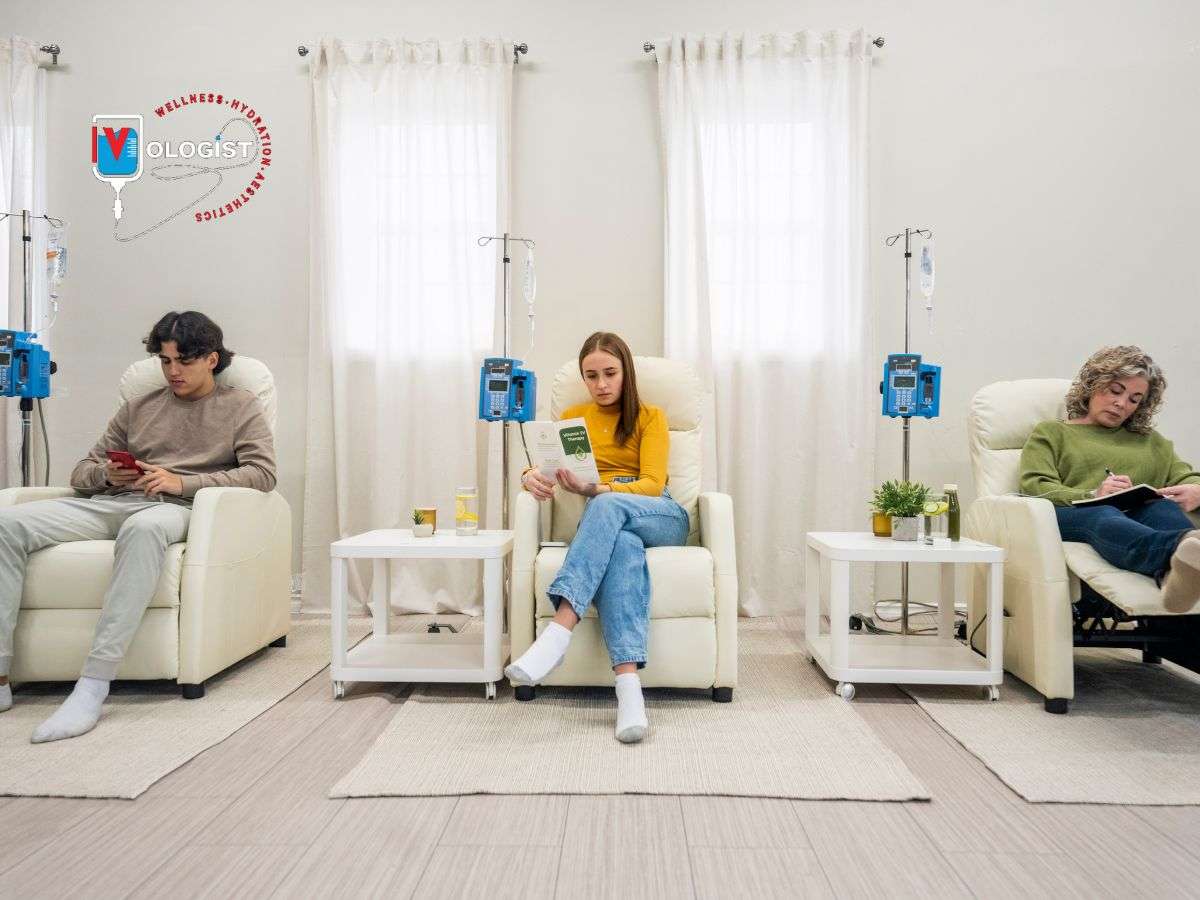
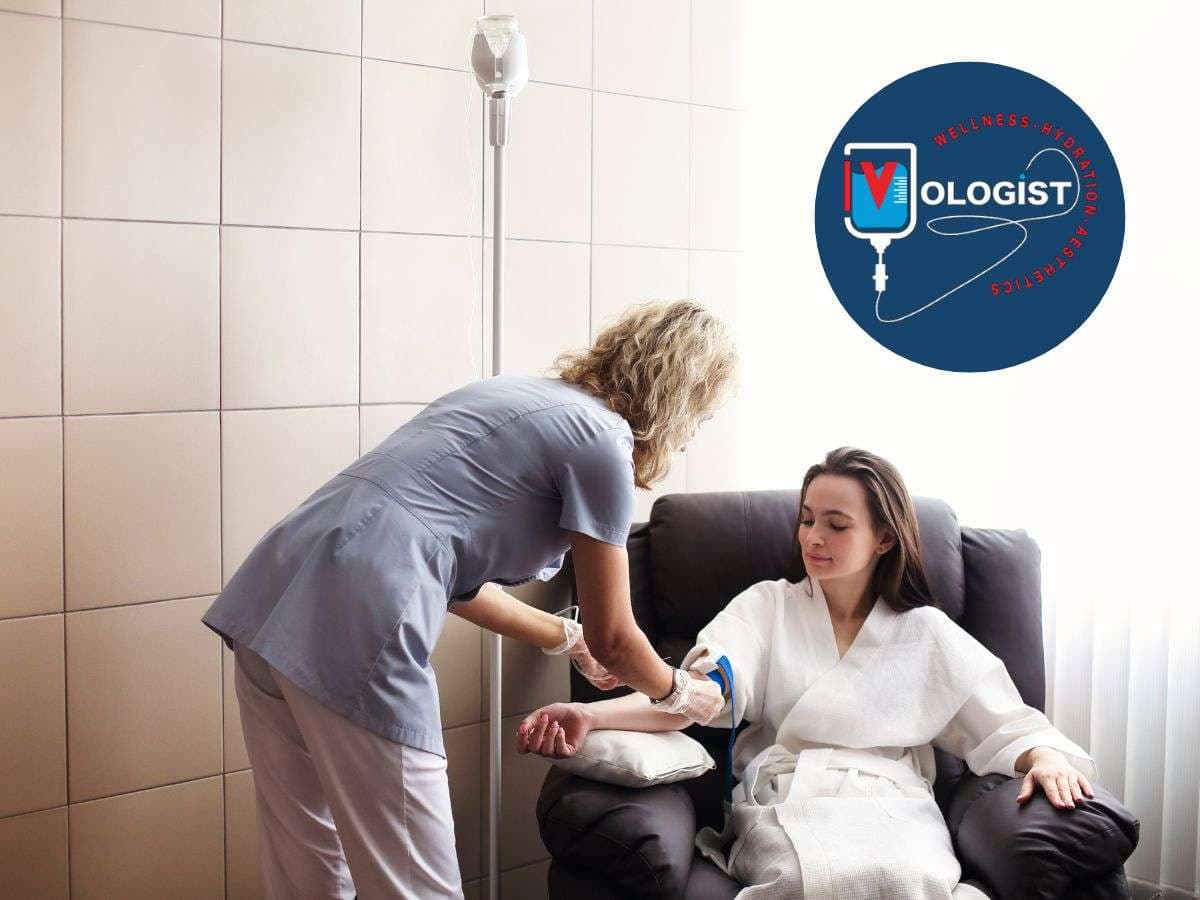
IV therapy has become a popular wellness treatment, delivering essential vitamins, minerals, and hydration directly into the bloodstream for immediate benefits. Whether you’re seeking improved recovery, a boost in immunity, or relief from dehydration, IV drips are a convenient and effective option. Not unlike oral supplements, IV therapy helps replenish your body’s needs, but at a much faster rate. The results, including enhanced energy levels and a clearer mind, are often felt in just a matter of hours, making this treatment a preferred choice for many.

And while the therapy itself is packed with benefits, care after the session is equally important. What you do immediately following an IV drip can significantly impact the treatment’s effectiveness. Understanding what not to do after an IV drip, such as avoiding specific activities or neglecting hydration, is crucial for supporting your body’s recovery. By following the right aftercare steps, you ensure a smooth recovery and maximize the therapy’s benefits.

Why Post-IV Drip Care Matters

Why Post-IV Drip Care Matters illustration
Proper aftercare ensures your body fully absorbs the nutrients delivered through IV therapy.

The Role of Nutrient Absorption in Recovery

IV therapy delivers a concentrated dose of nutrients and fluids directly into your bloodstream, providing immediate hydration and energy. However, the therapy’s effectiveness largely depends on how well your body absorbs and utilizes these nutrients post-session. Proper post-care ensures that your cells fully benefit from the treatment, enhancing recovery, immunity, and overall wellness. To maximize results, it’s essential to focus on actions that support nutrient retention while understanding what not to do after an IV drip.

Risks of Improper Post-Treatment Behaviors

Neglecting post-IV drip care or engaging in certain activities can undermine the benefits of the treatment. Jumping into strenuous physical activities or consuming dehydrating substances like alcohol can disrupt your body’s ability to process the infusion properly. Here’s why improper actions can counteract the benefits:

  • Dehydrating behaviors(like drinking alcohol) can flush essential nutrients out of your system too quickly.
  • Skipping rest can strain your body, slowing down recovery and reducing the effectiveness of the therapy.

Ivologist’s Dedication to Your Wellness

At Ivologist, we prioritize the safety and overall wellness of our clients. Our tailored approach to IV therapy includes comprehensive guidance about what not to do after an IV drip so you can achieve the best results from every session. From offering personalized aftercare recommendations to ensuring the highest standards of treatment, Ivologist is committed to helping you feel your best. Remember, the steps you take after your appointment are just as crucial as the session itself.

What Not to Do After an IV Drip

What Not to Do After an IV Drip illustration
After-care matters — what you avoid is as important as what you do.

1. Avoid Strenuous Physical Activities

Engaging in heavy workouts or intense physical activities immediately after an IV drip can counteract the therapy’s benefits. Your body needs time to process the nutrients and fluids, not to mention recover from the physical act of receiving the treatment. Overexerting yourself too soon may lead to fatigue and additional strain on your system. You could also risk bruising or irritating the injection site.

Why Rest Matters:

  • Strenuous activities increase fatigue, delaying recovery.
  • Physical strain may cause the injection site to swell or bruise.

It’s recommended to rest for at least 24 hours after your session. If you feel the need to move, opt for light activities like walking. This approach helps your body recover while still accommodating gentle movement.

2. Don’t Consume Alcohol

Alcohol and IV therapy work against each other. While IV drips aim to rehydrate and replenish your body, alcohol dehydrates it, negating the very benefits you’re seeking. Additionally, alcohol can interfere with the absorption of nutrients delivered by the IV drip, making the treatment less effective.

Why Avoiding Alcohol Post-Therapy Is Crucial:

  • Alcohol depletes hydration levels, counteracting the benefits of the IV drip.
  • Nutrient absorption may be impaired by alcohol use.

To protect the effectiveness of your therapy, avoid alcohol for at least 24 hours after the session. Instead, focus on drinking water or electrolyte-rich drinks to maintain hydration and maximize the benefits of your IV therapy.

3. Don’t Skip Proper Hydration

Although an IV drip provides immediate hydration, it’s important to continue drinking water afterward to maintain the balance in your body. Dehydration can creep back in if you don’t pay attention to your water intake.

  • Tip: Aim for at least 8 glasses of water daily to maintain hydration.
  • Avoid sugary or high-caffeine drinks that could dehydrate your system.

The Dangers of Overhydration:

Balance is key. Drinking too much water can dilute essential electrolytes in your system, leading to imbalances. Listen to your body’s natural thirst cues and adjust your water intake accordingly.

4. Avoid Removing the Bandage Too Soon

The bandage at the IV insertion site plays a critical role in protecting you from infection and irritation. Removing it prematurely increases the chances of bacteria entering your system, leading to complications.

How Long Should You Keep the Bandage On?

  • Follow provider recommendations (generally 2–24 hours).
  • Inspect the site when removing the bandage to ensure the area looks normal.

If irritation occurs, gently clean the site with a disinfectant and keep it covered until fully healed.

5. Stay Away from Sun and Heat Exposure

Excessive heat or direct sun exposure can dilate your blood vessels, making the injection site swollen or irritated. This can reduce your body’s ability to fully recover and take advantage of the IV drip’s benefits.

Activities to Avoid:

  • Hot showers or baths.
  • Saunas, hot tubs, or extended exposure to direct sunlight.

If heading out is necessary, use sunscreen or wear protective clothing. Instead of hot showers, try lukewarm or cool water to minimize irritation.

6. Refrain from Smoking

Smoking has a known negative impact on your body’s healing and nutrient absorption. After receiving an IV drip, smoking can hinder the replenishment of nutrients and hydration your body just received.

Why You Should Avoid Smoking Post-IV Therapy:

  • Smoking decreases your oxygen levels, slowing down healing.
  • It increases toxins in your system, counteracting the therapy’s effects.

This is an excellent time to consider quitting smoking for improved long-term health.

7. Don’t Ignore Discomfort or Signs of Infection

Mild side effects like slight bruising or soreness are common after an IV drip. However, other symptoms could point to complications and require immediate attention.

Watch For:

  • Redness, swelling, or heat at the injection site.
  • Fever or chills, which could indicate infection.

If you experience any of these signs, reach out to your healthcare provider promptly. Addressing concerns early will help prevent more significant issues from arising.

8. Avoid Stressful Situations

Stress can negatively affect your body’s ability to process the nutrients and hydration received from the IV. Elevated cortisol levels due to stress can interfere with the absorption of these vital elements.

Ways to Reduce Stress Post-Therapy:

  • Practice meditation or breathing exercises.
  • Engage in light, calming activities like yoga or stretching.

Focusing on relaxation will support your body’s recovery and help you make the most of your IV treatment.

By spreading awareness about what not to do after an IV drip, you can ensure your post-treatment recovery is as effective as possible. The effort you invest in aftercare will directly impact your results, helping you feel hydrated, energized, and rejuvenated for longer.

Tips for Supporting Recovery After an IV Drip

Engage in Proper Nutrient Intake

What you eat after an IV drip plays a vital role in supporting your recovery. Proper nutrition helps your body absorb and process the nutrients from the therapy more effectively.

  • Choose light, well-balanced meals rich in lean protein, whole grains, and vegetables.
  • Avoid overly greasy, sugary, or processed foods, which can slow recovery.

Stay Hydrated

While an IV drip provides immediate hydration, staying hydrated post-treatment is equally important to maintain those benefits long-term. Proper hydration supports nutrient absorption and keeps your energy levels stable.

  • Drink plenty of water, herbal teas, or electrolyte beverages to keep your body properly hydrated.
  • Avoid alcohol and excessive caffeine, as they can lead to dehydration and undo the hydration benefits of the IV therapy.

Follow Personalized Aftercare Instructions

Your healthcare provider or Ivologist team will provide specific instructions tailored to your unique needs and treatment goals. Following their guidance ensures a smooth and successful recovery.

  • Keep the bandage in place for the recommended duration to prevent infections.
  • Monitor the injection site for any unusual signs, such as redness or swelling, and report them promptly.

Ensure Adequate Rest

Your body works hard to process the nutrients, vitamins, and hydration delivered through the IV drip. Rest and relaxation are critical components of post-treatment care.

  • Aim for 7–9 hours of sleep each night to give your body the chance to repair and recover.
  • Reduce physical activity for at least 24 hours, opting for calming activities like light stretching or meditation instead.

Pre-Treatment Instructions for IV Therapy

Stay Hydrated

Proper hydration before your IV therapy session is essential for making the process smoother and more effective. Being hydrated helps with vein access and ensures that your body is primed to absorb the nutrients delivered through the drip.
  • Drink at least 16–24 ounces of water a few hours before your appointment to prepare your system.
  • If plain water isn’t appealing, try adding some fruit slices or opt for an electrolyte drink.

Eat a Balanced Meal

Having the right meal before your IV therapy helps stabilize your blood sugar levels, preventing lightheadedness or nausea during the session.

  • Focus on meals that include lean protein, complex carbohydrates, and healthy fats.
  • Avoid skipping meals or eating anything too heavy or greasy right before your appointment.

Avoid Caffeine and Alcohol

Both caffeine and alcohol can dehydrate your body, which works against the hydration goals of IV therapy. Skipping these beverages before the session helps you make the most of the treatment.

  • Steer clear of coffee, tea, energy drinks, or alcoholic beverages at least 12 hours before your appointment.
  • Instead, swap these out for water, coconut water, or herbal teas to keep your hydration levels up.

Skip Exercise Beforehand

Refrain from intense workouts or heavy lifting at least 2–3 hours before your session. Gentle stretches, light yoga, or a quick walk can serve as good alternatives.

Dress Comfortably

Loose, comfortable clothing ensures ease and reduces any discomfort during the session. Opt for shirts with sleeves that can be easily rolled up, allowing easy access to your arm for the IV insertion.

Share Your Medical History

Transparent communication with your healthcare provider or Ivologist is critical to ensuring the treatment is safe and effective for you. Providing your full medical history helps the team tailor the therapy according to your needs.

Conclusion

By following the right pre-treatment preparation and avoiding the common mistakes outlined in this guide, you can ensure your IV therapy session is as effective as possible. From proper hydration to adequate rest, every choice you make supports your body's recovery and maximizes the benefits of the treatment.

Evidence-based insights to support your wellness journey